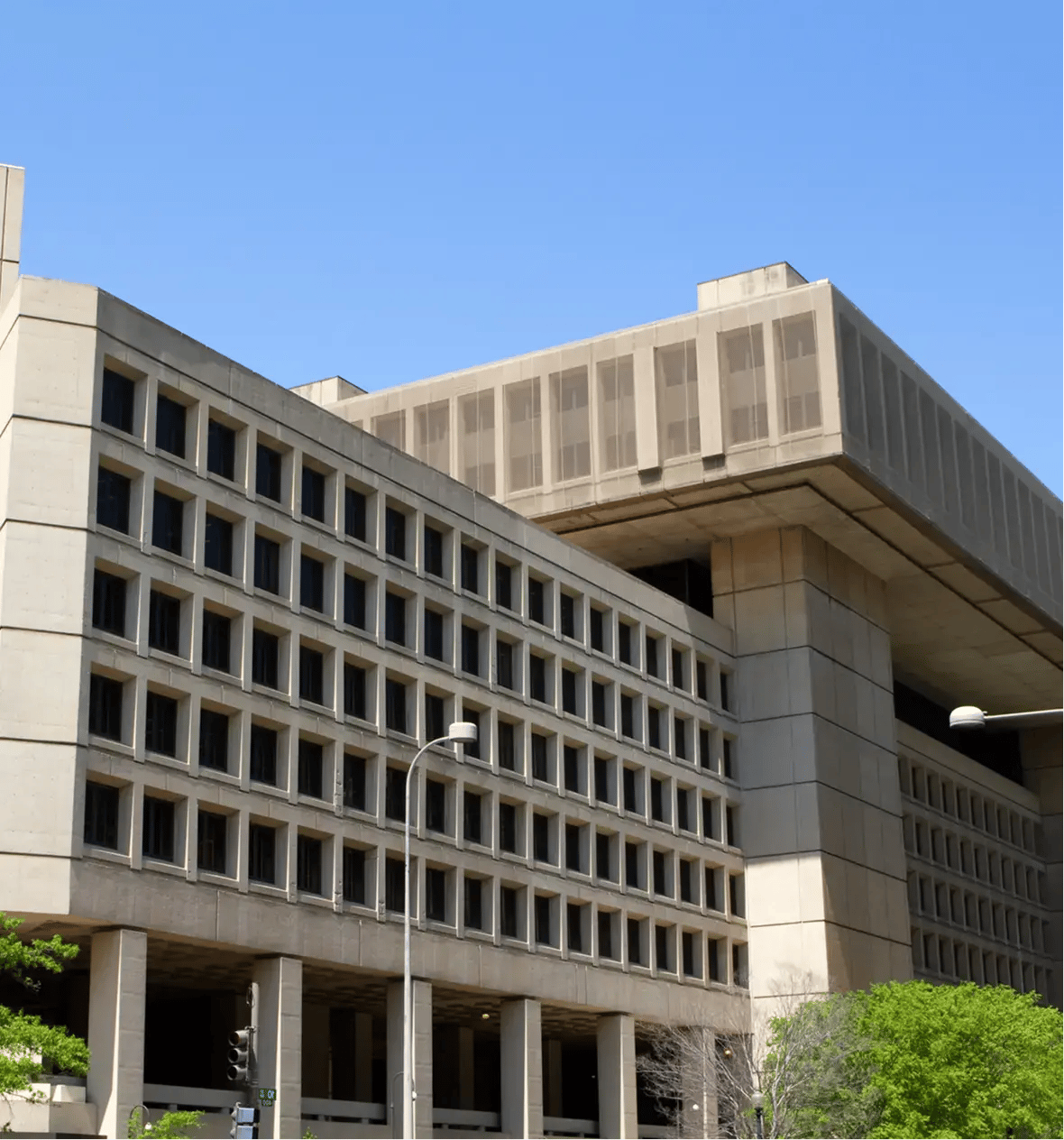
Electrical safety services for government and public sector facilities
Public facilities operate aging systems under public scrutiny. Lume Safety delivers electrical safety and compliance services with documentation and results you can stand behind.

When something goes wrong in a public facility, everyone is watching
Government facilities run a mix of old and new electrical systems across water treatment, public works, fleet maintenance, and Federal buildings, and civic facilities, often maintained by in-house crews. Aging infrastructure and hands-on electrical work raise both the arc flash hazard and the training requirement.
And in a public facility, the documentation has to hold up to an auditor, an insurer or a public record request.
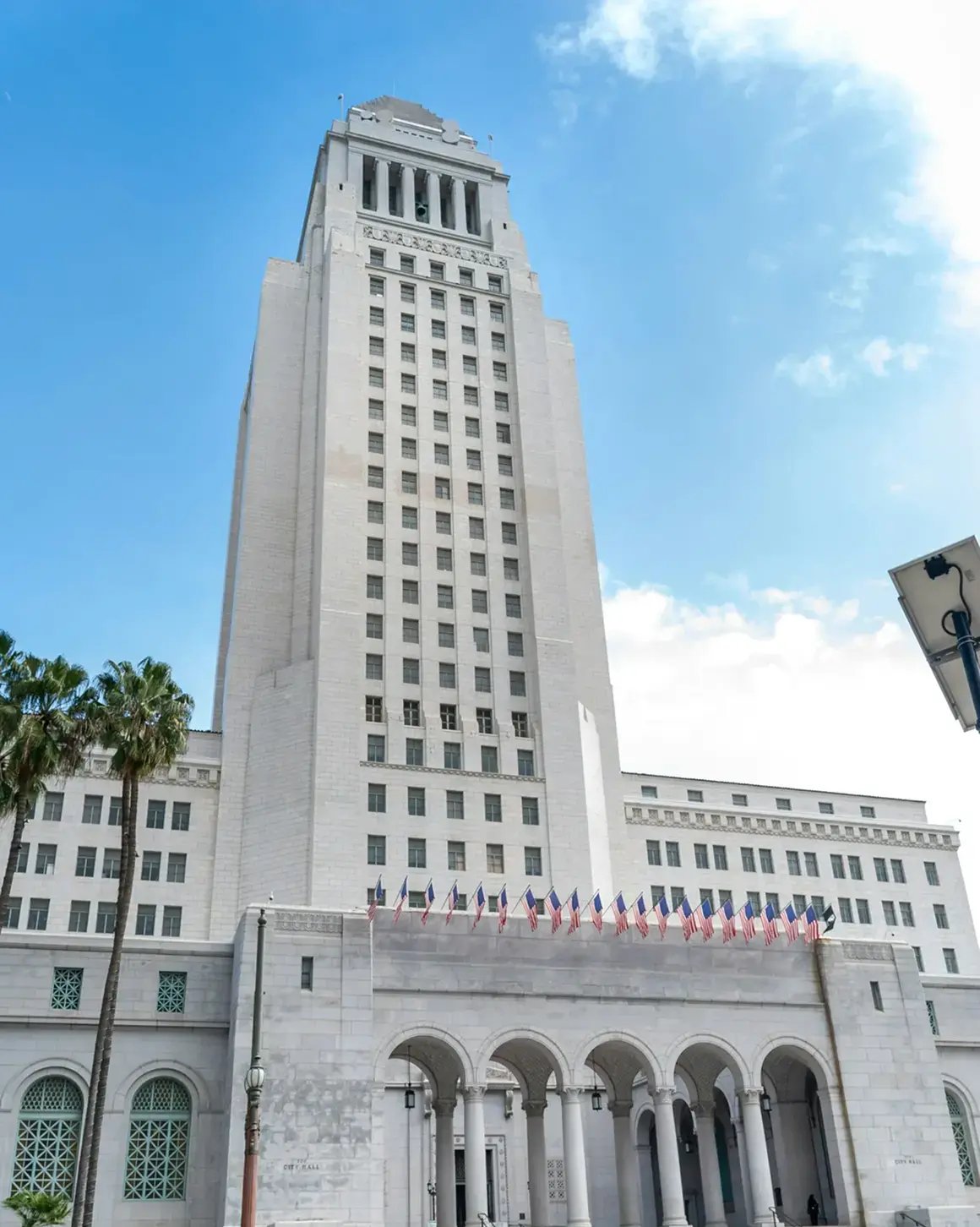
Every facility covered and every requirement documented
Our arc flash studies and infrared electrical inspections map the risk facility by facility. Electrical preventive maintenance keeps equipment current, and on-site NFPA 70E training qualifies the crews who work on it. Every step is documented to stand up to an auditor or a public record request.
And whether you're managing one facility or many, our delivery is consistent across every engagement.
Lume Safety delivers electrical safety services built for Federal agencies, state departments and local municipalities:
-
 Arc flash assessments for public works facilities, water treatment plants, fleet maintenance, and civic buildings
 -
Infrared inspections identify failing equipment and connections before they cause an outage or safety incident
-
Electrical preventive maintenance programs bring aging infrastructure to a documented NFPA 70B standard
-
NFPA 70E training for municipal maintenance crews and anyone working near energized equipment
-
Complete compliance documentation for OSHA, insurance reviews and public records requests

The electrical safety challenges government facilities fact
Public accountability demands current, documented compliance across every facility you operate.
Lume Safety addresses the risks that matter most in government and public sector environments.
-
Aging electrical infrastructure across facilities built decades apart with no consistent maintenance standard
-
Government maintenance crews performing electrical work without current NFPA 70E training
-
No documented electrical maintenance program (EMP) despite mandatory NFPA 70B requirements
-
Arc flash assessments that haven't been updated to reflect facility changes or additions
-
Budget constraints that push electrical maintenance to the back of the line
-
Public accountability that makes a safety incident or citation more costly than in private industry
-
Insurance and oversight requirements demanding current, documented compliance across every facility